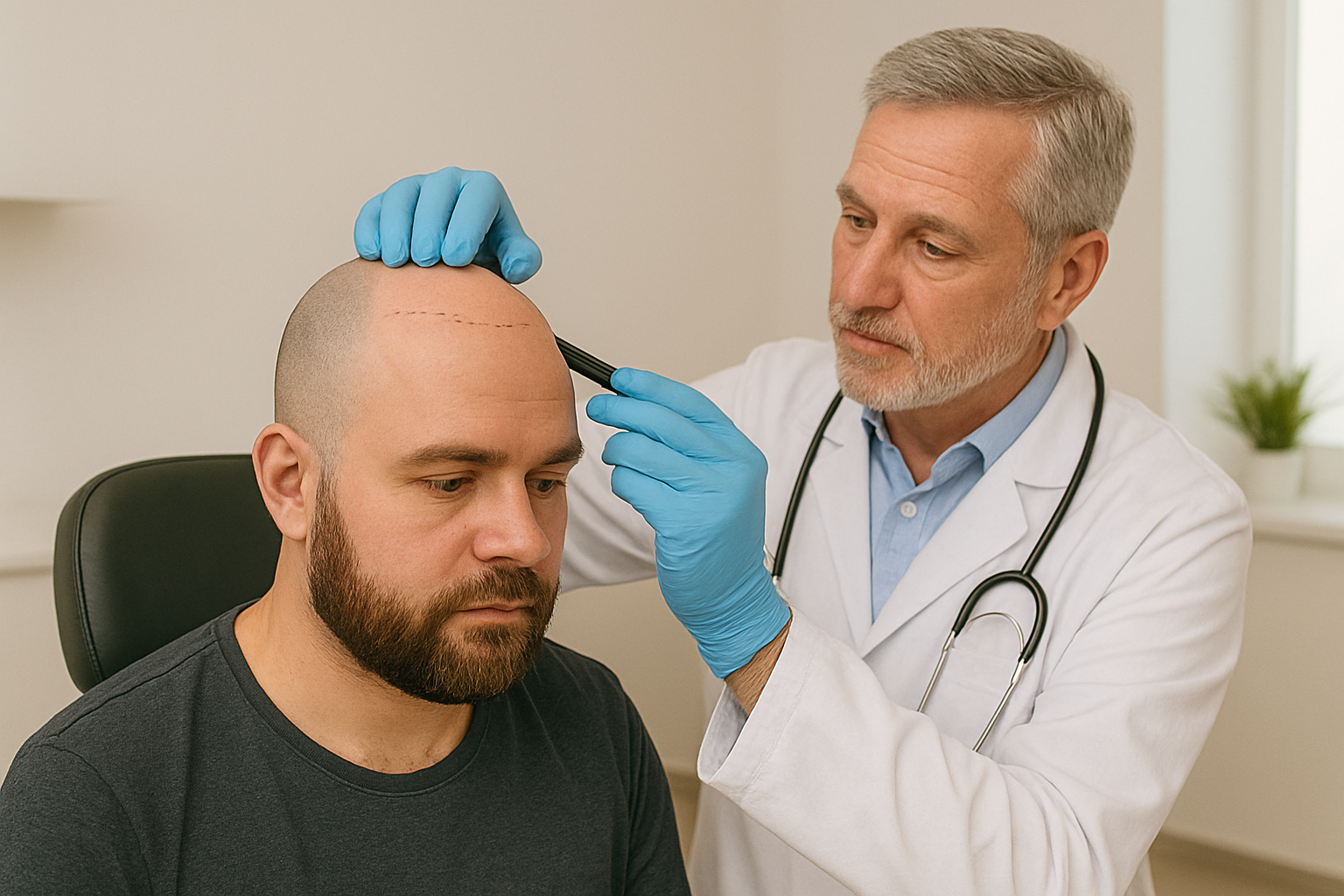
Preparing for Your Hair Transplant: What You Need to Know
A hair transplant is an exciting step toward restoring confidence and achieving a fuller head of hair. However, proper preparation before your procedure is just as important as the surgery itself. Following the right steps can ensure smoother healing, better results, and peace of mind on the day of your transplant.
1. Consultation and Medical Evaluation
The preparation begins with a thorough consultation. During this stage:
- Your doctor will assess your scalp, hair loss pattern, and donor area.
- A medical history review will help identify any conditions or medications that may affect the procedure.
- Blood tests may be recommended to ensure you are fit for surgery.
Tip: Be open and honest about your health and lifestyle habits so your doctor can give you the safest and best treatment plan.
2. Adjusting Medications and Habits
Certain substances can interfere with healing or increase bleeding risk. Your doctor may advise you to:
- Stop smoking at least 1–2 weeks before surgery, as it reduces blood flow to the scalp.
- Avoid alcohol for several days before the procedure.
- Pause specific medications such as aspirin, anti-inflammatory drugs, or blood thinners (always under medical guidance).
- Limit caffeine on the day of surgery to help keep your blood pressure stable.
3. Preparing Your Scalp and Body
- Scalp health: Wash your hair thoroughly the night before or morning of the surgery with a mild shampoo. Do not apply gels, sprays, or other styling products.
- Rest: A good night’s sleep will help your body handle the procedure and recovery better.
- Nutrition: Eat a balanced meal before your appointment, unless your doctor instructs otherwise.
4. Practical Arrangements
A hair transplant can take several hours, so planning ahead makes the day easier.
- Our services will include transportation —You may feel drowsy from local anesthesia or medications, so it’s best not to drive yourself. We will have an arranged driver for you.
- Wear comfortable clothing—choose a shirt that buttons or zips up to avoid pulling it over your head after surgery.
- Take time off work—plan a few days of rest to recover without stress.
5. Mental Preparation
Many patients feel nervous before their procedure. Remember:
- It’s normal to feel a little anxious.
- Knowing what to expect can calm your nerves.
- Most patients experience minimal pain due to modern techniques and anesthesia.
- Think about your long-term goal—patience is key, as results appear gradually over several months.
Final Thoughts
A successful hair transplant is not only about the skill of the doctor—it’s also about how well you prepare yourself before the surgery. By following your doctor’s instructions, taking care of your health, and making the right lifestyle adjustments, you set the stage for smooth healing and natural-looking results.