Female Hair Transplant
A female hair transplant can be an excellent solution for women experiencing thinning or significant hair loss. While many people think of hair loss as mainly a men’s issue, it also affects a large number of women. Just like in men, there is usually an underlying medical reason behind female hair loss.
Some types of hair loss in women are temporary, such as those caused by stress, pregnancy, certain medications, or illnesses. In these cases, hair often grows back once the underlying cause is resolved. However, gradual or persistent thinning is often linked to aging or genetic factors.
It’s important to remember that female hair loss should not be seen as “normal.” When it becomes excessive, it can indicate a medical cause and have a strong impact on a woman’s self-confidence and quality of life. In such cases, a hair transplant may be an effective and lasting solution, helping restore not only hair but also emotional well-being.
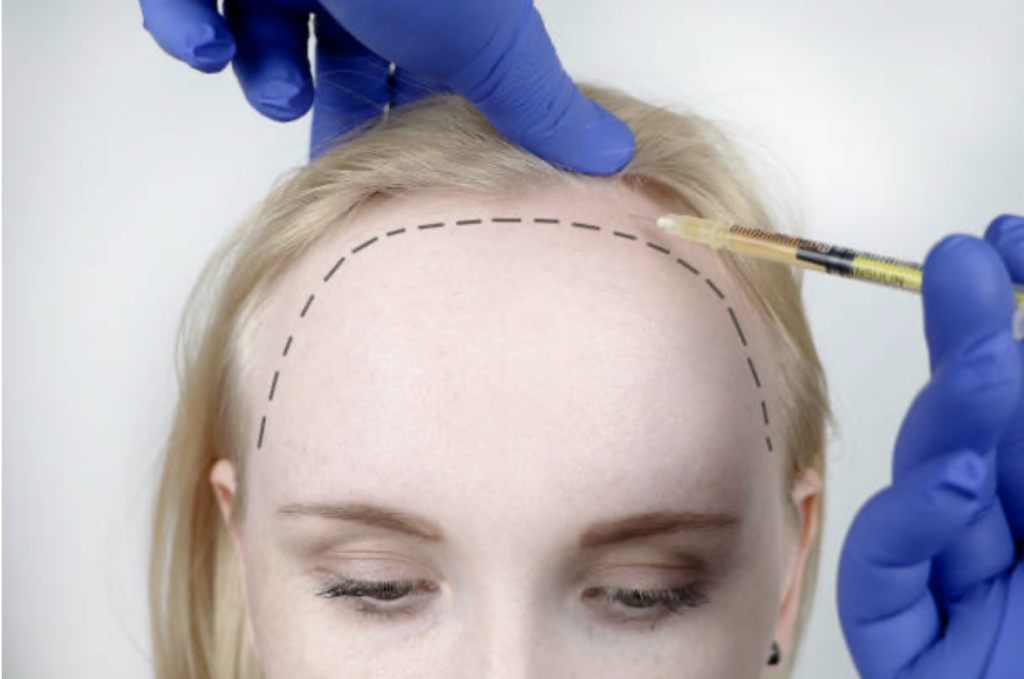
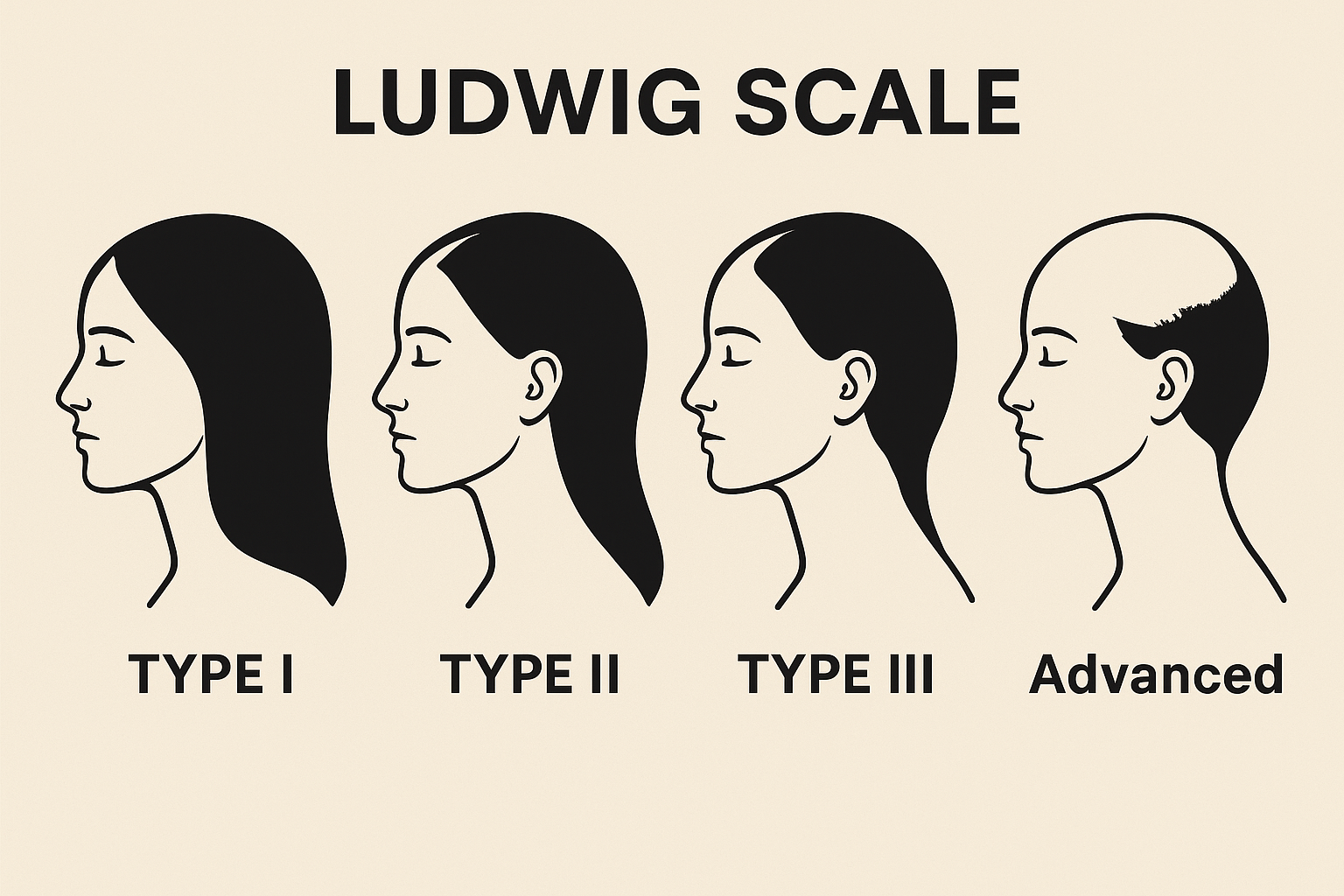
Why Consider a Women’s Hair Transplant in Turkey?
Reasons for Hair Loss in Females
Hair loss in women can be triggered by many factors—stress, pregnancy, certain medications, or health conditions. In some cases, once the underlying cause is resolved, hair often grows back naturally.
However, gradual thinning caused by aging or hereditary factors may not reverse on its own. While some women accept this as a normal process, for others it can significantly affect confidence and quality of life. Beyond genetics, issues like hormonal imbalances, thyroid disorders, chronic illness, or even stress can also lead to persistent hair loss.
That’s why a professional evaluation is essential. An expert can help determine the root cause and recommend the best treatment. For many women, a hair transplant is the most effective long-term solution.
Turkey has become one of the leading destinations for this procedure, thanks to its combination of world-class medical expertise and affordable costs.
A Reliable Solution and Restoring Confidence
Hair transplants are one of the most successful surgical options for women with hair loss, delivering natural and lasting results. Most patients are very satisfied with their outcomes.
That said, not every woman is an ideal candidate. Suitability depends on individual factors such as hair type, donor area density, and the cause of the hair loss.
A thorough consultation will determine whether a transplant is the right choice and what results can realistically be expected.
If you’re struggling with thinning or hair loss, a women’s hair transplant in Turkey may be the solution you’ve been searching for.
In just a short trip, you can undergo a safe, effective procedure and start the journey toward fuller, healthier-looking hair. Within a few months, you’ll begin to see the transformation and enjoy the confidence that comes with it.
How is a Women’s Hair Transplant Performed in Turkey?
The most advanced technique used today is micro FUE (Follicular Unit Extraction).
In this method, hair follicles are removed one by one from the donor area and transplanted to the thinning or balding zones using a punch device with a diameter of just 0.6–0.75 mm—perfectly suited for the finer hair strands women often have.
If fewer than 2,000 grafts are needed, usually only a small section of the donor area at the back of the head is shaved.
For larger procedures (over 2,000 grafts), or when treating the top of the scalp, a full shave may be required.
Recovery is quick: most patients only need to stay in Istanbul for three days, can return to work within two days, and experience no visible scars or long-term side effects.
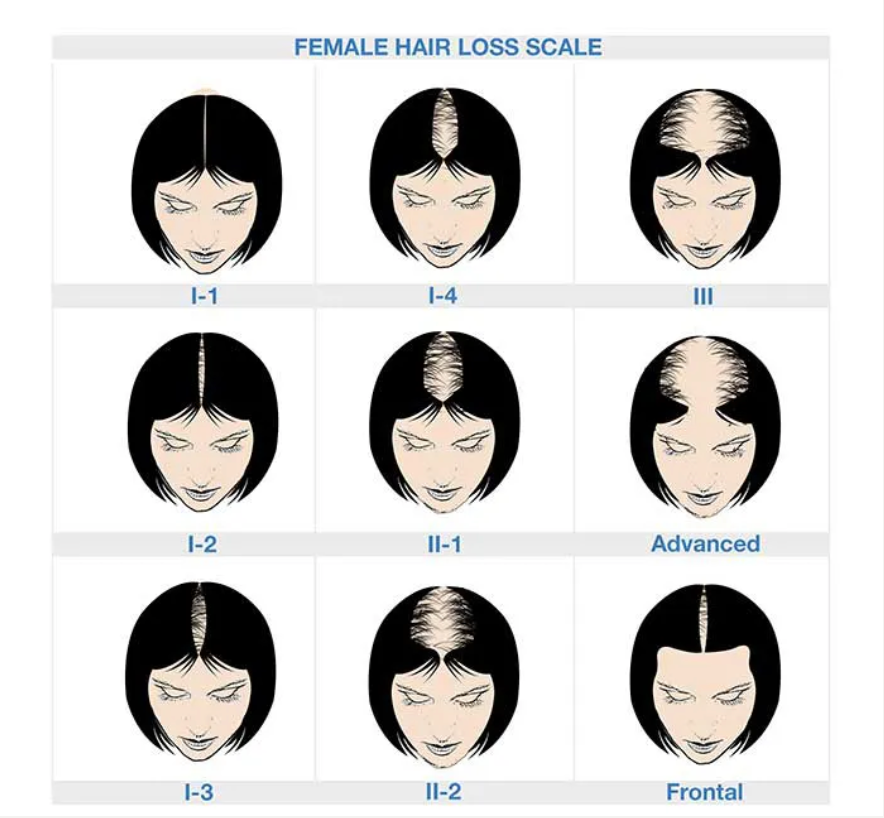
Androgenetic Alopecia
This is hereditary hair loss that follows a recognizable pattern, usually showing as diffuse thinning across the central scalp. It’s the most common form of hair loss and affects around 20% of women.
Alopecia Areata
A recurring condition of unknown cause that leads to patchy hair loss on the scalp and sometimes the eyebrows.
Telogen Effluvium
This condition causes widespread shedding of hair across the scalp. It may be long-term or temporary, often triggered by stress, high fever, nutritional deficiencies, or chronic blood loss from heavy periods.
Loose Anagen Syndrome
In this condition, hair sheds before completing its normal growth cycle. Hair may come out easily during everyday combing or brushing.
Traction Alopecia
Tight hairstyles, such as braids or cornrows, can gradually damage the scalp and hair, leading to permanent hair loss over time.
Chemical Damage
Harsh chemicals used in hair styling may damage the scalp and hair follicles, eventually resulting in permanent hair loss.
Trichotillomania (Compulsive Hair Pulling)
This occurs when a person repeatedly pulls out hair, often in patterns. Over time, it can cause traction alopecia and permanent thinning.
Scarring Alopecia
Hair loss that occurs due to scarring of the scalp. It most often affects the top of the scalp and is more common in women, particularly Afro-Caribbean women who wear tight braids or cornrows. In postmenopausal women, it may also appear due to inflammation of hair follicles that leads to scarring.
Hypothyroidism
An underactive thyroid can cause thinning or patchy hair loss.
Pregnancy
Hormonal changes and physical stress from pregnancy may lead to temporary hair shedding.